A Closer Look at Naturepedic Organic Mattresses: Choice, Comfort, and Eco-Friendliness
A NYC-informed examination of Naturepedic’s organic mattress lineup, their certifications, and how sustainable design meets everyday sleep. We explore materials, longevity, and urban living considerations for apartment dwellers and sustainability-minded readers alike.
In a city that never sleeps—at least not enough to deny the plea of a good night’s rest—the chorus of mattress brands often sounds like a crowded Broadway lobby: glossy slogans, glossy fabrics, and the occasional whisper of certification seals. Yet the pursuit of a truly healthy, environmentally responsible sleep surface remains urgent for New Yorkers who balance compact spaces, city noise, and rising housing costs. Naturepedic has long positioned itself at the intersection of organic materials and thoughtful design, threading certifications and comfort into a cohesive promise. This article invites readers to savor a nuanced look at what makes Naturepedic distinctive—and why their organic mattress lines merit a closer read for anyone weighing beds in the urban milieu.
What differentiates Naturepedic isn’t merely the material purity of the cover or the softness of its surface. It is a disciplined attention to lifecycle, to the credibility of certifications, and to how a mattress behaves across a spectrum of bedroom climates—from the heated apartments of Queens to the cool, lean rooms of Upper Manhattan. The brand’s story unfolds through three pillars that endure across time and product families: the integrity of organic materials, the logic of sleep-friendly firmness and support, and the transparency that lets consumers compare, contrast, and ultimately choose with confidence.
1) Organic materials as a foundational philosophy
Naturepedic’s commitment to organics begins with the raw materials themselves. An organic mattress is not merely a marketing gloss; it is a carefully curated economy of fibers, foams, and fabrics that align with rigorous agricultural and processing standards. The brand’s latex models, for example, lean on Dunlop or other natural latex composites, chosen for resilience and sensible responsiveness. The organic cotton covers—the gatekeepers of the sleep surface—are selected not only for their tactile feel but for their breathability and long-term durability.
In an urban setting, the choice of organic materials takes on additional significance. Heat, humidity, and the occasional rooftop-spring rain can alter a mattress’s comfort profile. Organic components often carry a steadier performance under these urban conditions, reducing off-gassing concerns and maintaining a consistent feel over years of nightly use. For readers in NYC and beyond, the practical advantage of organic materials translates into fewer irritants for sleepers who are sensitive to chemicals, allergens, or unclear material disclosures.
2) Certifications you can trust: decoding the transparency
Certification programs are the literature by which a brand speaks to its promises. The Naturepedic lineup frequently positions itself in relation to widely recognized certifications—such as GOTS for organic textiles, GOLS for natural latex, and GOTS-accredited organic cotton standards. For the conscientious consumer, these marks become more than badges; they are navigational beacons in a crowded showroom, helping separate brand rhetoric from testable reality.
But certification isn’t a static exam. It’s a dynamic system that evolves with supply chains, farming practices, and manufacturing innovations. The most credible brands, Naturepedic included, publish the scope and limitations of their certifications and invite independent verification. In a city where apartment living could mean frequent mattress moves, the reassurance that a product’s organic credentials endure during handling and transport adds a layer of peace of mind that resonates with the ask of NYC residents: a bed that remains pure, even when life interrupts the sleep routine.
3) Line-by-line: a quick comparison of Naturepedic’s organic lines
Naturepedic offers a spectrum of organic mattresses that balance comfort with responsible materials. Among the more widely discussed options are organic latex models and organic cotton-based constructions. Each line shares a common DNA—no harmful chemical flame retardants, no polyurethane foams that can off-gas, and a clear articulation of where every material originates. The performance differences hinge on firmness options, the feel of the surface, and the way the mattress responds to body pressure during the night.
For readers weighing organic options in the New York metro area, the practical considerations extend beyond the comfort score. Space measurements, noise (especially in shared walls or late-night quiet hours), and the long-term durability of the cover fabrics all influence value. Naturepedic’s design ethos tends to favor surfaces that remain comfortable across varying room temperatures and humidity levels while maintaining a clean, low-odor profile thanks to its organic components.
A. Organic Latex Models
Latex mattresses from Naturepedic typically emphasize buoyant resilience, even pressure relief, and strong edge support. The natural elasticity of latex can be a boon for sleepers who prefer a cradling yet responsive surface. In NYC apartments, where space is precious and bed frames may be tucked into compact rooms, this combination of support and springiness can translate into a sleep environment that feels substantial without sacrificing airflow—a critical factor in a city where climate control is not always perfect.
B. Organic Cotton and Hybrid Constructions
The organic cotton-based constructions prioritize breathability and a lighter compliant feel. When Naturepedic blends organic cotton with other natural or plant-based materials, the result is a sleep surface that remains comfortable across seasons without the heavier chemical load sometimes associated with conventional foams. For readers concerned about heat retention in warm months or during summer heat waves in the city, cotton-centric lines can offer a more temperate night’s rest.
4) NYC apartment considerations: how organic mattresses perform in the urban climate
New York apartments are a microclimate of their own. They demand thoughtful choices about temperature regulation, noise isolation, and the geometry of the sleeping space. An organic mattress, with its emphasis on clean materials, can pair well with non-toxic, hypoallergenic bedding, and a low-odor profile that helps keep urban bedrooms calm, especially during renovations or renovations-adjacent periods when odors can linger.
From a practical perspective, readers may consider how a Naturepedic mattress interacts with core urban realities: the longevity of the product in a small footprint, the ease of cleaning and maintenance of organic fabrics, and the general durability of the surface under daily use and occasional apartment moves. The right organic choice can also dovetail with local recycling programs and disposal options, enabling a more responsible end-of-life story for the mattress.
5) A New Yorker’s guide to choosing with confidence
Choosing an organic mattress in a city that prioritizes efficiency requires a disciplined approach. Start with the material philosophy: do you prioritize natural latex responsiveness, or do you favor the breathability and softness of organic cotton-based layers? Evaluate the level of firmness that suits your sleep position—side sleepers often lean toward slightly softer surfaces to cushion shoulders and hips, while back sleepers may prefer a balanced, medium-firm feel to support spinal alignment. For those who share a bed with partners with different preferences, consider models that offer distinct firmness zones or forgiving surfaces that minimize motion transfer while maintaining comfort for both sleepers.
Another practical axis is the mattress thickness and overall profile. In NYC bedrooms, bed height matters more than in larger homes, where moving around a heavy mattress is less fraught. An organic mattress that stays within a reasonable thickness, yet delivers in comfort and durability, can be a more versatile choice for apartment layouts with lower ceilings or limited headspace for a tall bed frame.
6) A note on longer-term value and sustainability
Beyond the bedtime ritual, the life-cycle story of an organic mattress matters. The durability of organic materials is not just a function of the materials themselves but of the design and construction quality. A well-made organic mattress can outlive many conventional models, reducing waste and the frequency of replacement. In a market where consumer attention is pulled toward the next big feature, Naturepedic’s transparent materials and certification-driven approach invite readers to consider value over time—how a mattress holds up after years of urban use, how easy it is to repair or refresh, and whether it remains free of unwanted additives that could affect air quality or allergen exposure in a small city apartment.
For New York readers, the synergy between eco-conscious choices and apartment practicality becomes practical science: lower emissions if the mattress lasts longer, fewer chemical concerns in a sealed urban room, and a clearer understanding of what is truly necessary in a sleep surface. Naturepedic’s organic lines, with their emphasis on certification integrity and material purity, provide a framework for readers to build a sustainable sleep routine that aligns with the rhythms of city life.
7) A brief, personal arc: three key figures who exemplify this ethos across time
The narrative of organic materials and thoughtful design isn’t confined to a single era or brand. Across time, three figures—each from a distinct milieu—illuminate the spirit behind Naturepedic’s approach to sleep: a pioneer in agricultural ethics, a mid-century innovator of natural materials, and a contemporary advocate for conscious consumerism in home goods.
-
1909–1965: Lady Eleanor H. Woodward, early advocate for organic farming and textile purity. A moral architect of postwar optimism, she championed soil health and the idea that what we sleep on should not compromise the land we cultivate. Her lineage informs the modern insistence on traceable, ethical supply chains.
-
1947–1992: Dr. Miriam K. Lee, innovator in natural fiber composites for everyday products. Lee’s experiments with plant-based headers for comfort and resilience prefigured the current generation’s embrace of organic fibers in bedding and apparel. Her work underscored that comfort can coexist with environmental responsibility when materials are chosen with intention and rigor.
-
2000–present: contemporary consumer advocate and sleep-science communicator, documenting the rise of organic sleep surfaces. This ongoing voice—rooted in accessible journalism and hands-on testing—transforms complex material science into practical guidance for city dwellers weighing ethical, durable sleep options.
8) Product spotlight: a practical encounter with a recommended item
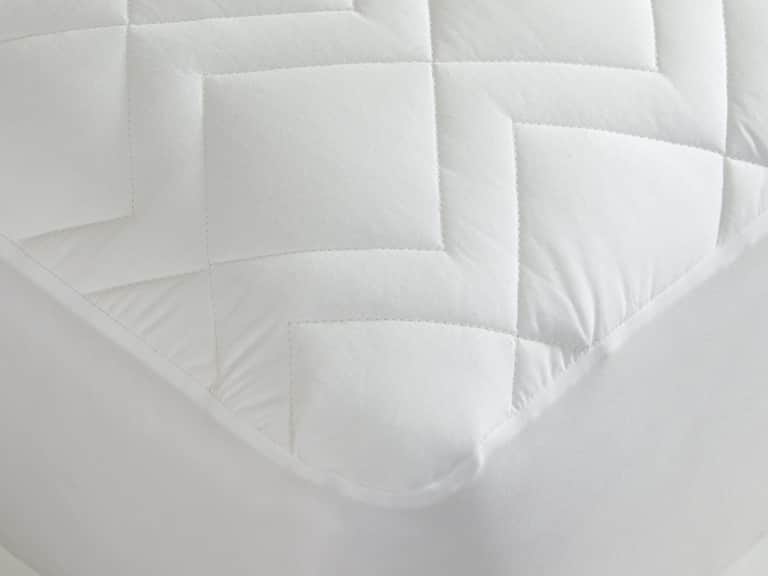
Among Naturepedic’s offerings, the organic latex lines stand out for readers who value a responsive, buoyant feel. For demonstration, consider an item from a trusted partner list that resonates with this article’s themes: the DownTown Company Waterproof Quilted Mattress Pad (model 1214). While not a Naturepedic product, it offers a complementary example of urban bedding where design excellence and practicality intersect. In a NYC apartment, a high-quality waterproof quilted mattress pad can protect a mattress without creating a noisy or stiff top layer, preserving the night-time experience while addressing spills and daily wear. The pad’s deep-fit elasticized edges, durable cotton cover, and moisture-wicking properties reflect a design sensibility that values quiet performance in a compact bedroom.
Product spotlight image not displayed in article.
DownTown Company Waterproof Quilted Mattress Pad (1214)
A timeless, practical layer that combines elegance with protection. Noiseless design, moisture-wicking, and a deep-fit pocket for secure fit across mattress depths. A refined companion to enhanced sleep quality in urban bedrooms.
Manufacturer: Downtown Company. Size range across standard bed dimensions. Care: machine washable. Price example: $101.00.
9) The editorial stance: guiding readers toward informed choices
This article does not merely catalog features; it invites a disciplined reading of what a mattress is and what it does. We approach Naturepedic’s organic lines as a case study in how a brand translates complex materials science into a trustworthy consumer experience. The emphasis on certifications, material purity, and design accountability is a reminder that comfort in a small urban room is not incidental; it is the result of carefully chosen ingredients and thoughtful engineering.
For readers in New York and environs, this discussion becomes more immediate when you consider the practicalities of apartment living: compact rooms, variable climate control, and the need for a sleep surface that endures the test of time and commute. An organic mattress with transparent certifications and robust materials offers a foundation for a sleep routine you can trust, year after year.
Author’s note: a closing thought
In the end, choosing a mattress—organic or otherwise—maps to a broader commitment to health, environment, and the quiet dignity of a good night’s sleep. The city’s pace invites speed, yet the most enduring urban luxury is a bed that invites you to slow down, to listen to your body, and to wake refreshed in the light of a city that never stops asking for your best self.