Bedroom furniture supports sleep, storage, and everyday comfort by coordinating the bed frame with the room’s layout and bedding. Options such as panel, upholstered, pendant, loft, and platform beds vary in profile, materials, and space requirements. Understanding these differences helps match furniture to mattress dimensions, room size, and personal routines.
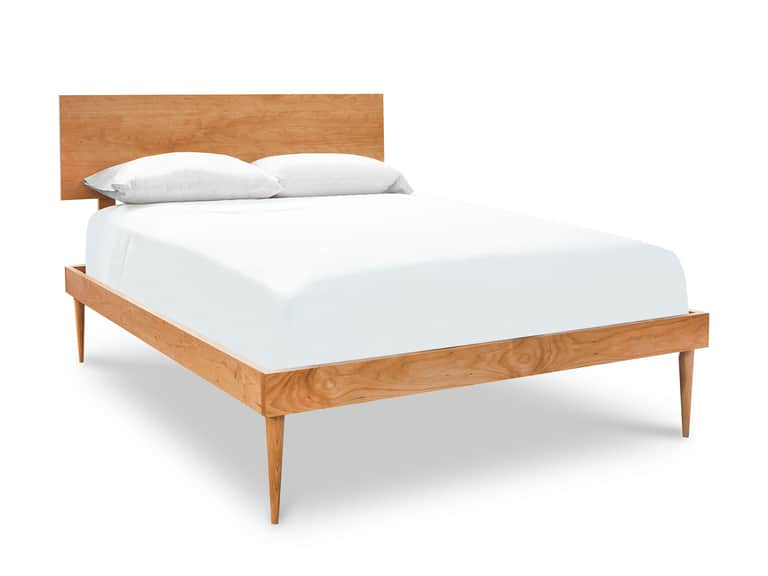
The Skyline Panel Bed - Queen - Display Model features a paneled design sized for a queen mattress, providing a defined focal point and a stable foundation. Its scale suits many standard bedrooms, while the panel headboard can create a finished backdrop for pillows and sheets without requiring additional wall-mounted furniture.
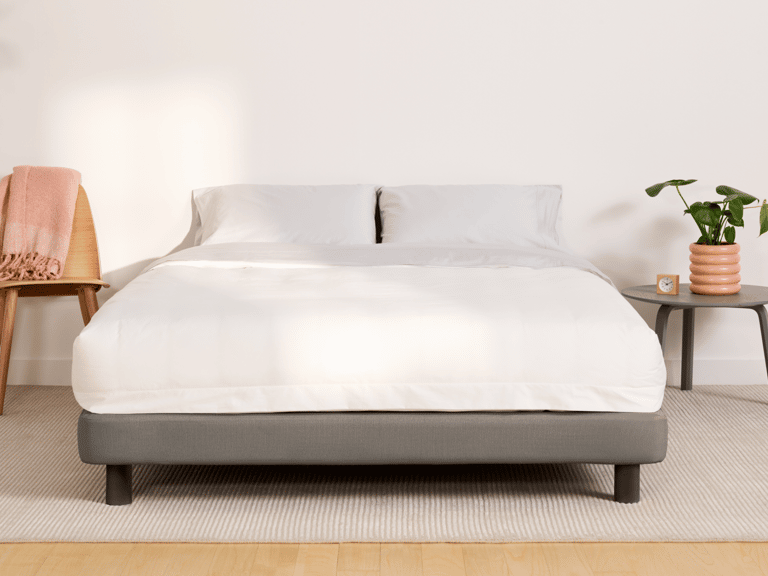
The Larssen Bed and Upholstered Bed Frame illustrate two approaches to bedroom comfort and style. A structured bed design can complement varied interiors, while an upholstered frame adds a softer surface around the mattress. These features may be useful for relaxing while seated, and both options coordinate with bedding, pillows, and fitted sheets.
The Pendant Bed and Loft Bed address different room-planning needs. A pendant-style design can introduce a distinctive, visually lighter presence, whereas a loft bed raises the sleeping area to free floor space beneath for storage, study, or seating. Consider ceiling height, access, and intended use when evaluating these furniture features.
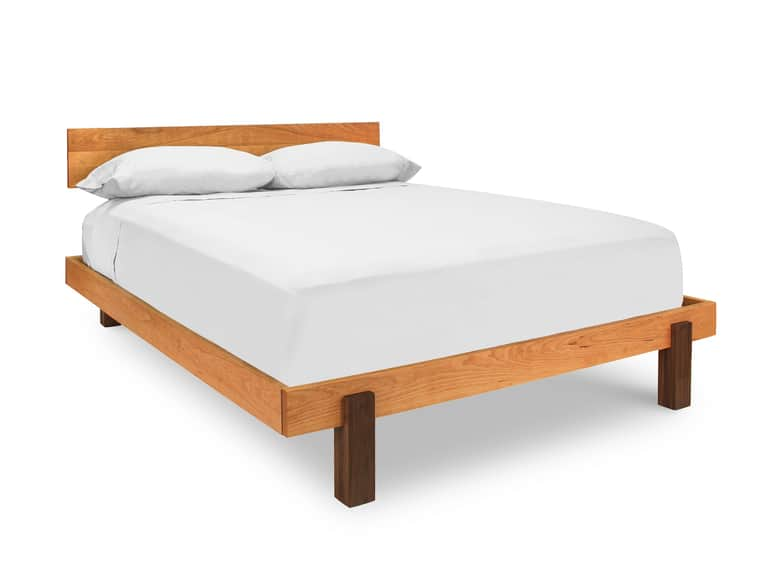
The Modern American Platform Bed uses a low-profile structure designed to support a mattress without a traditional box spring, depending on its construction. When choosing bedroom furniture, verify mattress compatibility, dimensions, materials, and assembly needs. Furniture planning can also account for organic mattresses and organic crib mattresses in bedrooms and nursery spaces.
 Furniture