Crib mattresses are specifically engineered to support infants with a balanced combination of firmness, safety, and comfort. A well-chosen crib mattress enhances sleep quality while complying with safety standards for pediatric sleep. Key features to consider include mattress thickness, rigidity, and moisture resistance, all contributing to a hygienic sleep environment for babies.
In the realm of crib mattresses, organic options emphasize materials sourced without synthetic pesticides or harmful chemicals. Organic crib mattresses typically use natural fibers and non-toxic adhesives, reducing exposure to potentially irritants. For caregivers seeking breathable sleep surfaces, these mattresses often incorporate materials that promote air circulation and temperature regulation.
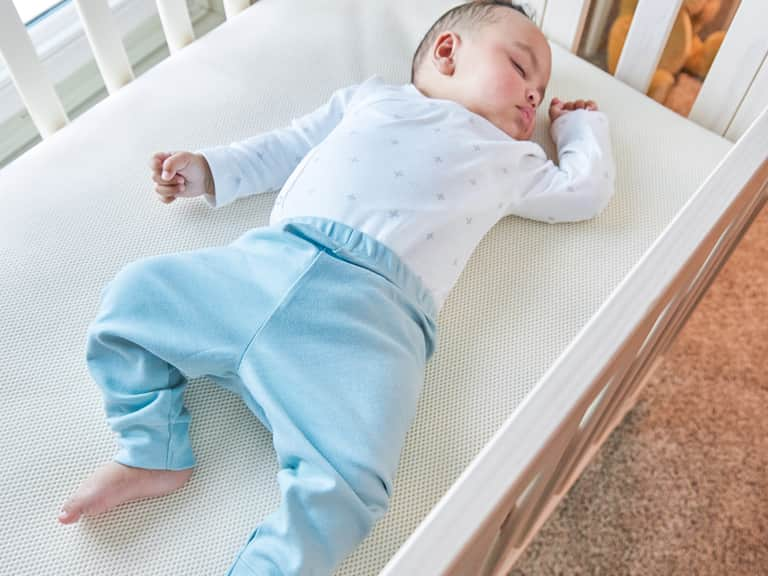
One notable product in this category is the Naturepedic Organic Mini Crib Mattress, which combines safety with practical design. It offers a firm, supportive surface appropriate for infants, along with easy-to-clean surfaces and a durable construction. Features such as dual-sided construction or waterproof covers may be present to manage spills and maintain hygiene over time.
Understanding use cases for crib mattresses involves recognizing how the mattress interacts with crib slats, bedding, and ventilation. A properly fitted mattress reduces gaps and supports even weight distribution for infant comfort. Families often consider waterproof or wipe-clean surfaces for routine care, while ensuring the materials remain non-toxic and hypoallergenic.
For those exploring bedding ecosystems, related terms include organic mattresses and organic crib mattresses, which align with broader goals of safe sleep and material transparency. The selection process benefits from evaluating certifications, compatibility with standard crib dimensions, and the ability to maintain a dry, clean sleeping surface for newborns and infants alike, alongside other bedding essentials like sheets and pillows.
 Nursery