Latex in bedding offers a responsive and supportive sleep surface with natural origins. This category emphasizes the performance advantages of latex products, including consistent contouring, pressure relief, and durability. Understanding latex types, such as Dunlop and talalay processing, helps distinguish firmness levels and the suitability for various sleepers and positions.
Organic and natural latex products provide an important option for those seeking reduced chemical exposure and eco-friendly materials. The materials are often certified to meet health and environmental standards, helping minimize common irritants. In this context, latex contributes to balanced ventilation and temperature regulation, enhancing overall sleep comfort.
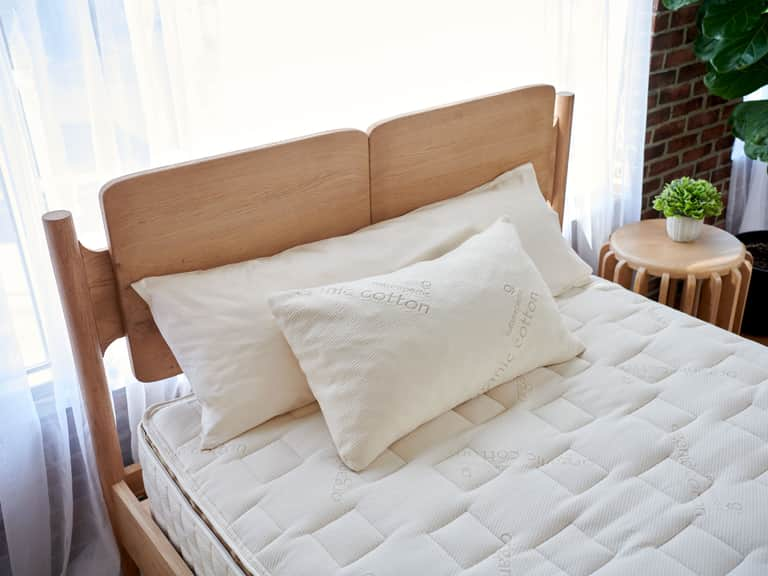
The featured Naturepedic solid organic latex pillow and Naturepedic organic adjustable latex pillow illustrate key uses of latex in head and neck support. The solid pillow offers uniform density for steady alignment, while the adjustable version allows customization of loft and firmness to accommodate sleeping positions and personal preference.
Key features to consider include responsiveness, breathability, and durability, all of which influence long-term comfort. Latex pillows tend to resist flattening over time, maintain shape, and provide resilient support for spinal alignment. These attributes are particularly relevant for sleepers seeking sustainable materials without compromising performance.
In the broader bedding context, latex plays a role alongside related items such as sheets, pillows, and organic mattresses. When evaluating latex products, consider certifications, core materials, and finishings that affect hygiene, odor, and care requirements. This knowledge supports informed choices about sleep surfaces that align with healthier, more comfortable rest.
 Bedding